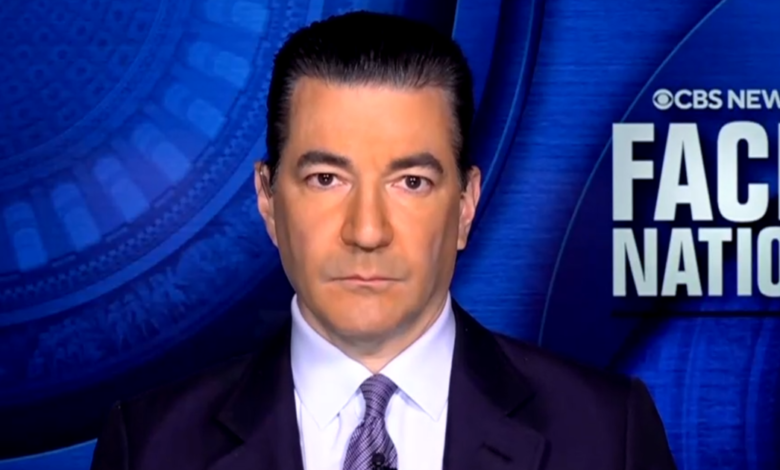
On December 7, 2025, Dr. Scott Gottlieb, former FDA commissioner, joined Margaret Brennan on “Face the Nation” to discuss important updates in U.S. public health policy. Gottlieb, who currently serves on the boards of Pfizer and United Healthcare, addressed recent developments regarding Hepatitis B vaccination guidelines for newborns.
Hepatitis B Vaccination Policy Changes
The American Academy of Pediatrics expressed alarm following a decision by the CDC’s Advisory Committee on Immunization Practices (ACIP). In an 8-3 vote, ACIP recommended changing a 30-year policy by delaying the Hepatitis B vaccine for newborns until they are two months old instead of administering it within 24 hours of birth. Gottlieb emphasized the significance of this policy change and its implications for families.
Risks of Delaying Vaccination
Dr. Gottlieb explained that administering the Hepatitis B vaccine at birth is crucial. Newborns are particularly vulnerable to this virus. If infected during delivery, about 90% may develop chronic infection, with a potential mortality rate of 25% due to liver disease, cirrhosis, or liver cancer.
For older children, the situation differs. Those aged five and above have a 95% chance of clearing the infection. However, for children aged one to five, the odds drop to 25-50% for clearing the infection, leading to a chronic condition that can be life-threatening.
- 90% of newborns infected with Hepatitis B develop chronic infection.
- 25% mortality rate in newborns with chronic Hepatitis B infection.
- 95% chance of clearing the infection in children over five.
Public Reactions and Concerns
In response to the policy change, some public figures and health professionals have expressed skepticism about the motivations behind the decision. Gottlieb pointed out that the current ACIP committee, largely filled with vaccine skeptics, is diminishing the committee’s credibility.
“As a formerly esteemed body influencing state laws, ACIP’s authority is being threatened,” Gottlieb remarked. About 600 state laws depend on ACIP recommendations, and 17 states have already indicated they will not follow ACIP guidelines.
Impacts on Vaccine Development
Dr. Gottlieb addressed another pressing issue: new FDA requirements for vaccine approvals. He noted a troubling trend toward more stringent regulatory practices, potentially hindering the development of future vaccines. A recent memo indicated the FDA plans to eliminate immuno-bridging studies. These studies have historically allowed for the timely production of vaccines, adapting to evolving strains of viruses.
He warned that moving away from established practices could slow down vital vaccine updates, creating challenges in public health efforts. The impact of this policy shift could be far-reaching, affecting vaccine availability and safety for years to come.
Calls for Transparency
With recent safety concerns surrounding vaccines, Gottlieb urged the FDA to disclose data pertaining to vaccine-related incidents. The accountability of decisions is crucial, particularly when tragic cases arise related to vaccinations. Transparency could help rebuild trust in public health strategies.
“It’s vital that the FDA makes this analysis public for scrutiny,” Gottlieb asserted. The ongoing debate highlights the need for rigorous scientific evaluation in policy-making and public health communications.